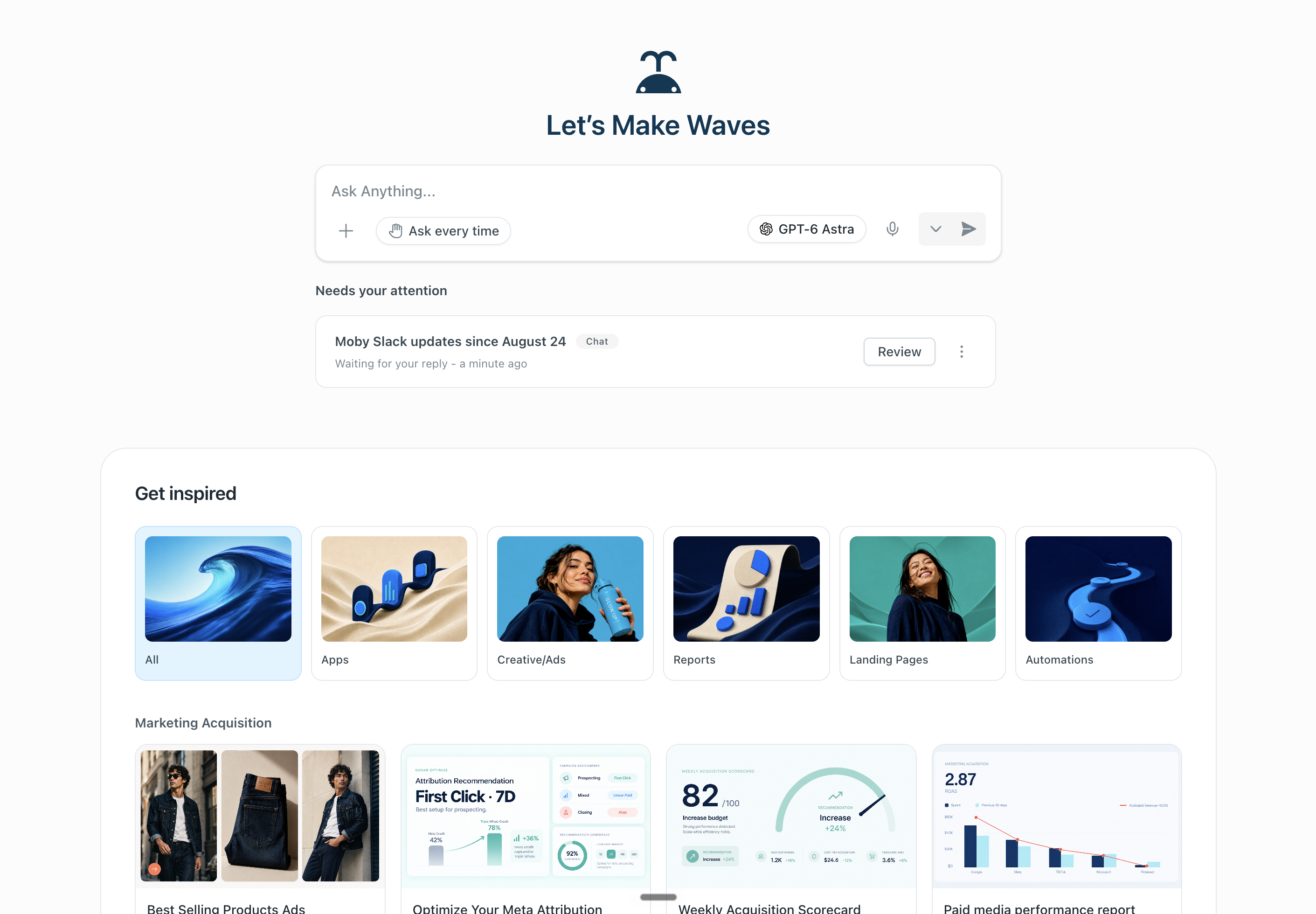





Google Connectors are live in Moby
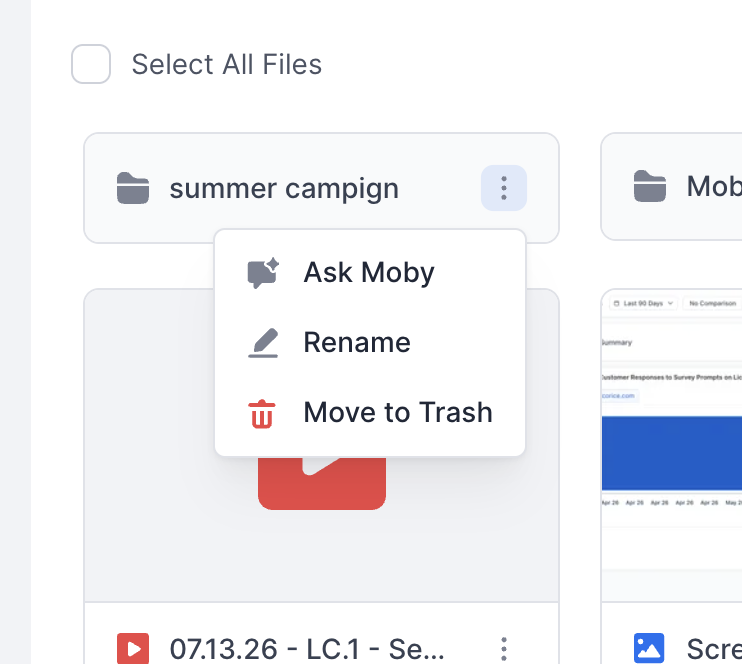
Moby now connects to Gmail, Google Calendar, Drive, Docs, and Sheets. Bring the email, files, schedules, and spreadsheets behind your work into the same conversation as your Triple Whale data.
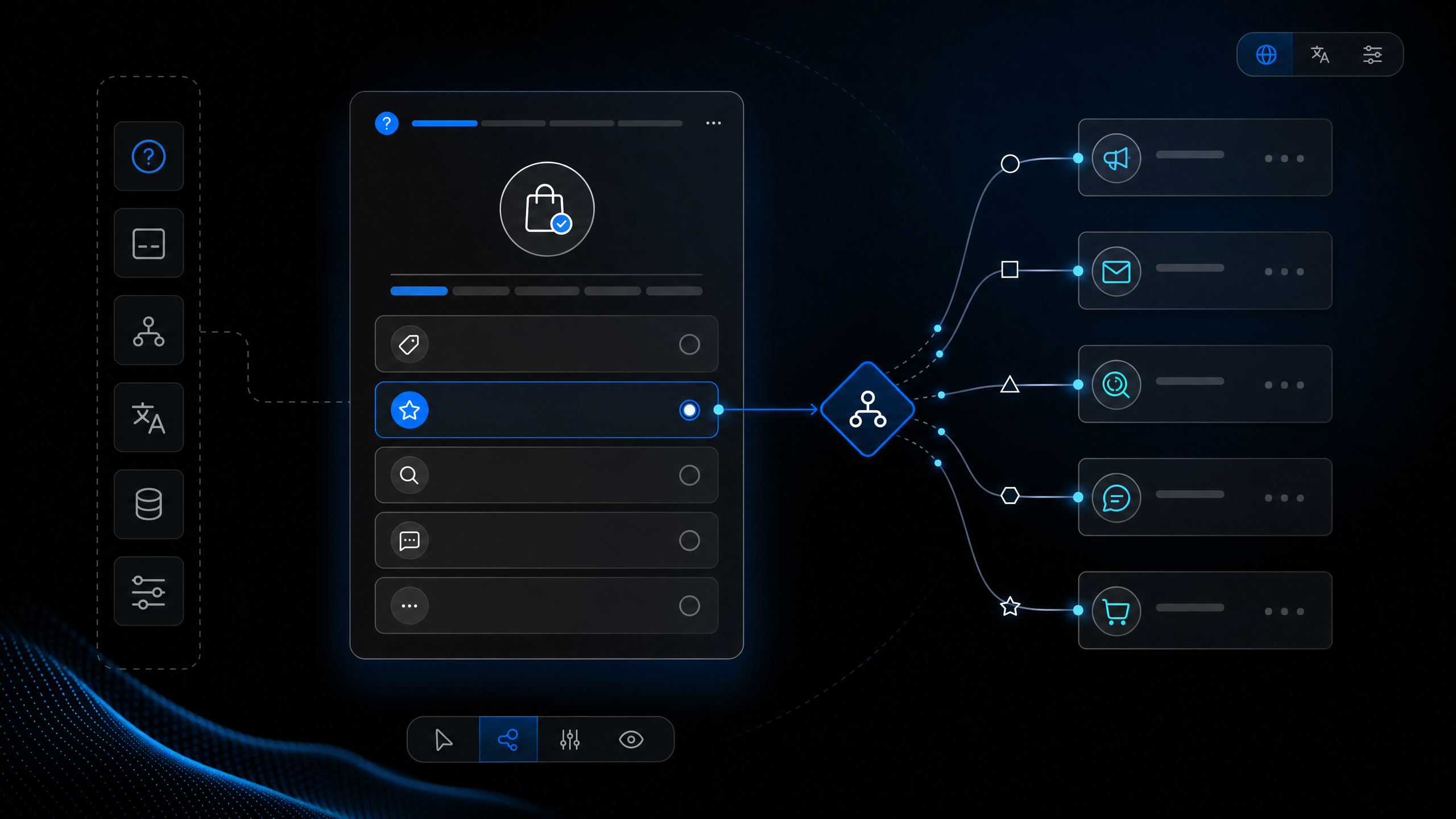
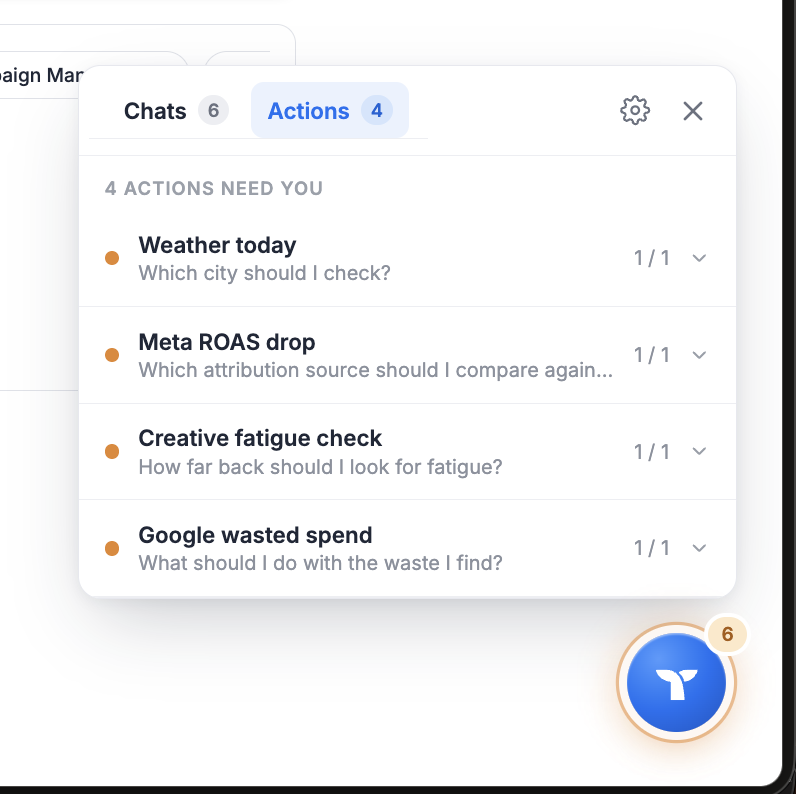
Start with a request in Gmail, check the performance behind the decision, build an editable Docs or Sheets brief, prepare a reply for review, and carry the context into the next Calendar follow-up. Each connected tool has a role; you stay in control of the actions that change something outside the chat.
Connections and permissions determine what Moby can access. External changes follow your configured action controls.
google workspace / five live connectors
Available now in Moby
 Gmail
Gmail Calendar
 Drive
Drive Docs
Docs Sheets
Google connectors · illustrated workflow
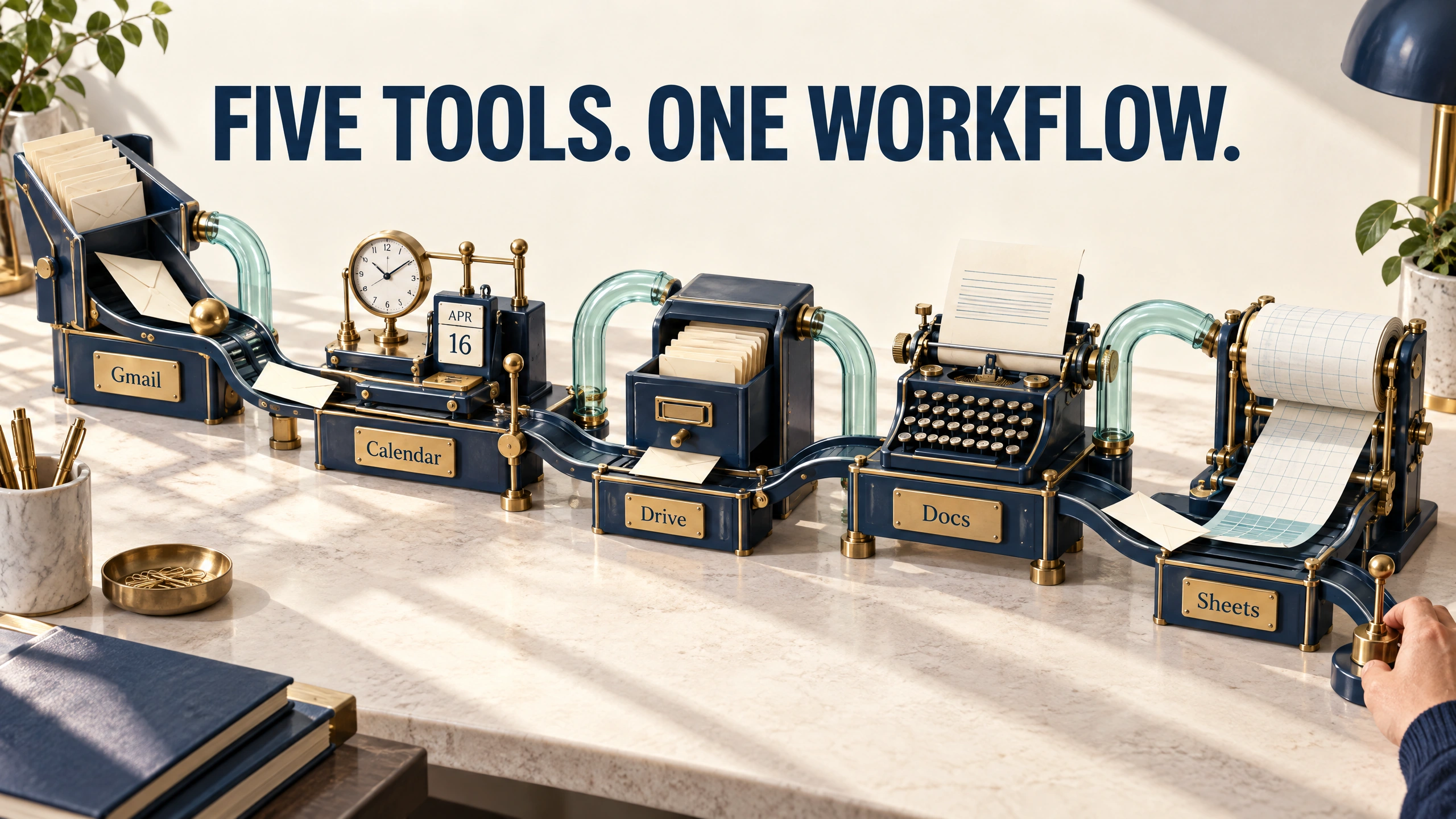
one request / one connected workflow
01Start with the inboxPick up the request and its thread contextGmail
02Verify the decisionGround the recommendation in current performanceTriple Whale
03Build the working outputCreate an editable brief and operating trackerDocs + Sheets
04Prepare the responseDraft the answer for review in the original threadGmail
05Carry it into the next meetingBring the brief and follow-up into calendar contextCalendar + Drive
What this unlocks
Inbox
Turn an email thread into a decision, a reviewed reply, and the work that follows.
Docs
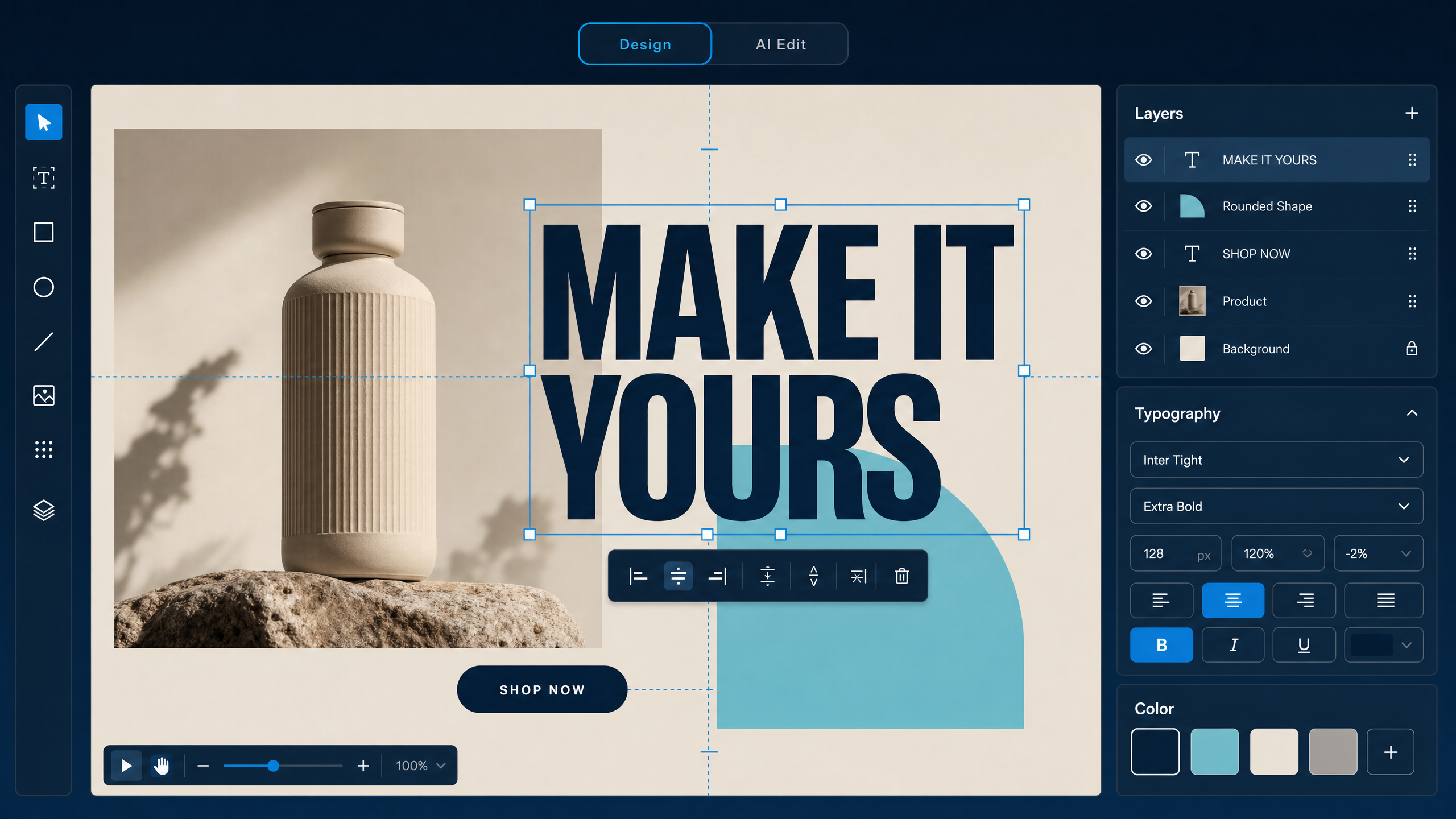
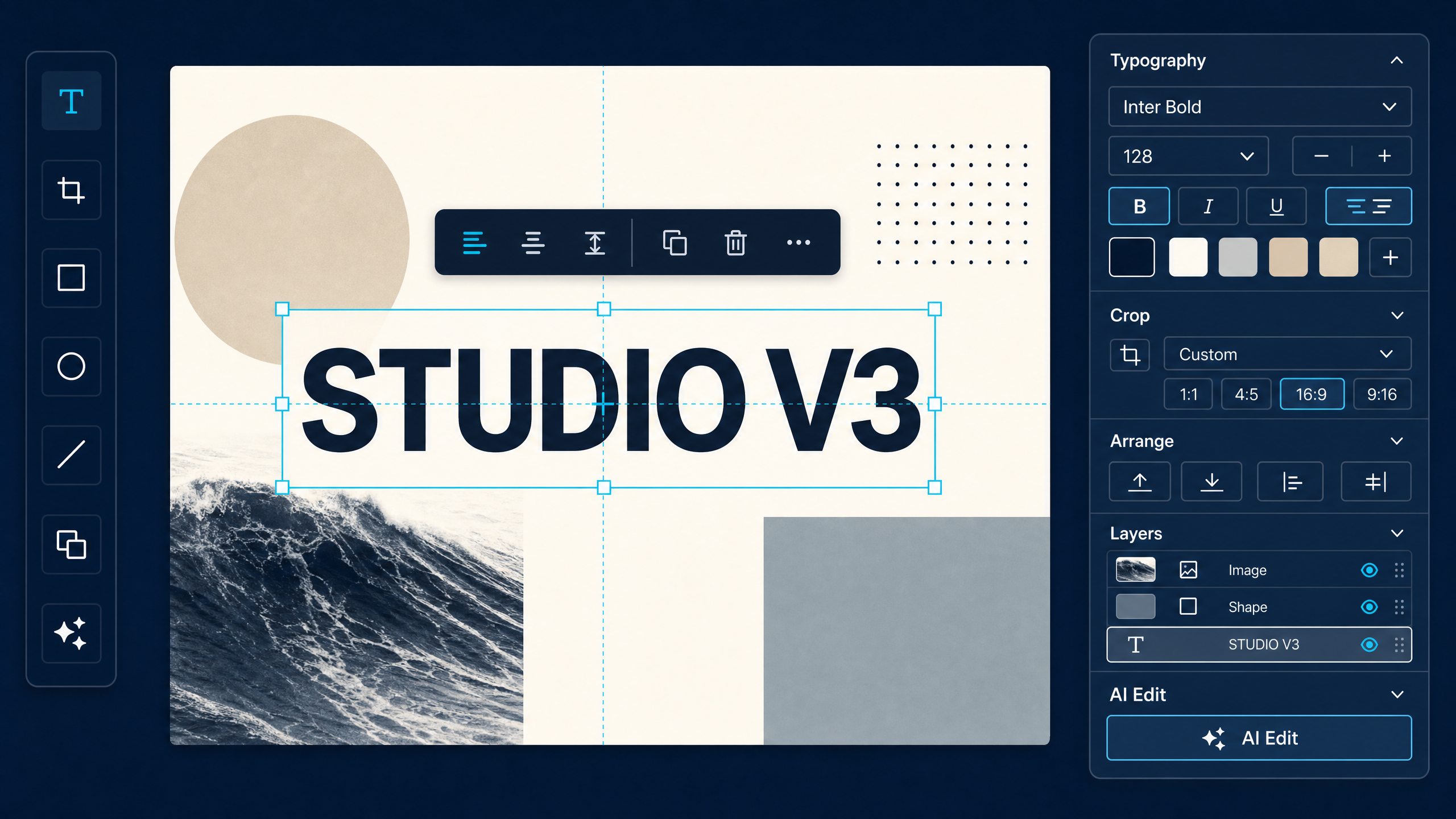
Create editable briefs, reports, and plans the team can keep working in.
Sheets
Build and maintain trackers, operating tables, and structured reporting workflows.
Drive
Retrieve the source files and context behind the request instead of asking for another upload.
Calendar
Prepare for meetings with the right context and carry decisions into the next conversation.
Control
External writes can stay behind review, so the operator remains in charge of what changes.